

info@reliancegroupnyc.com
718 360 7373
London Eye, London, United Kingdom
Structural engineering is a specialized branch of civil engineering that focuses on designing, analyzing, and ensuring the stability and durability of structures. This includes buildings, bridges, tunnels, dams, and other infrastructures that must withstand various forces such as gravity, wind, earthquakes, and environmental stress. Structural engineers use advanced tools, materials, and techniques to create safe, functional, and sustainable structures.
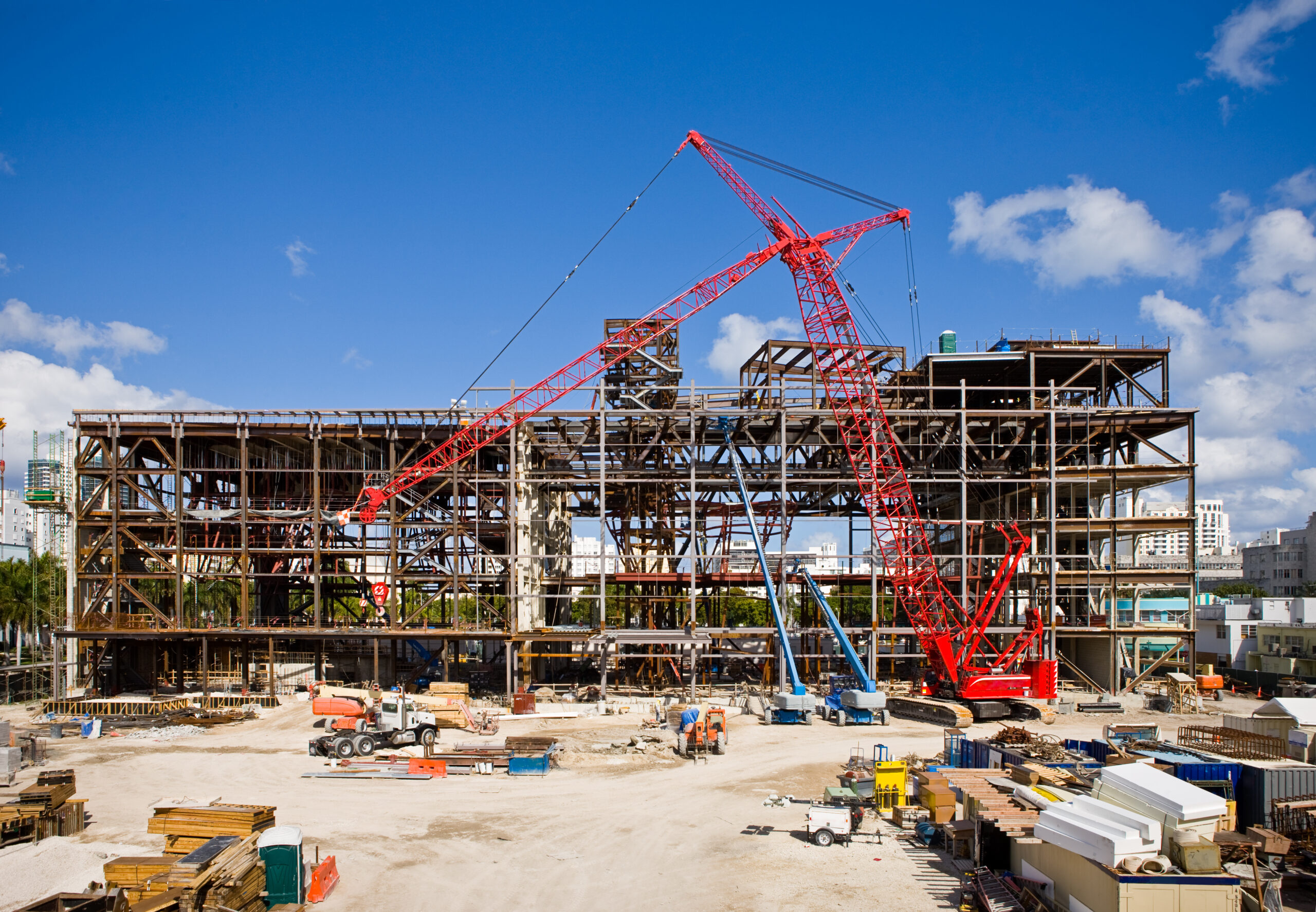

From buildings and bridges to tunnels and dams, structural engineers create solutions that withstand forces such as gravity, wind, earthquakes, and environmental stress. Key services include structural design using advanced modeling tools, structural analysis to optimize performance, and seismic and wind engineering to enhance resilience in disaster-prone areas. Additionally, we specialize in rehabilitation and retrofitting, extending the life of aging structures to meet modern safety standards.
Structural engineers design a variety of structures, including buildings, bridges, tunnels, dams, industrial facilities, and special constructions like stadiums and arenas.
Structural engineers use tools such as finite element analysis (FEA), ground-penetrating radar (GPR), and simulation software to assess structural integrity and optimize performance.
Structural engineers design structures to withstand seismic forces by incorporating reinforced materials, flexible designs, and advanced technology to minimize earthquake damage.
Structural engineers use tools such as finite element analysis (FEA), ground-penetrating radar (GPR), and simulation software to assess structural integrity and optimize performance.
Inspections can identify issues such as cracks, material degradation, corrosion, structural movement, or non-compliance with building codes.
Yes, we offer project management services to oversee the entire design and construction process, ensuring timely completion within budget.
we specialize in delivering innovative and reliable engineering solutions tailored to meet your unique requirements.
we specialize in delivering innovative and reliable engineering solutions tailored to meet your unique requirements.
