

info@reliancegroupnyc.com
718 360 7373
London Eye, London, United Kingdom
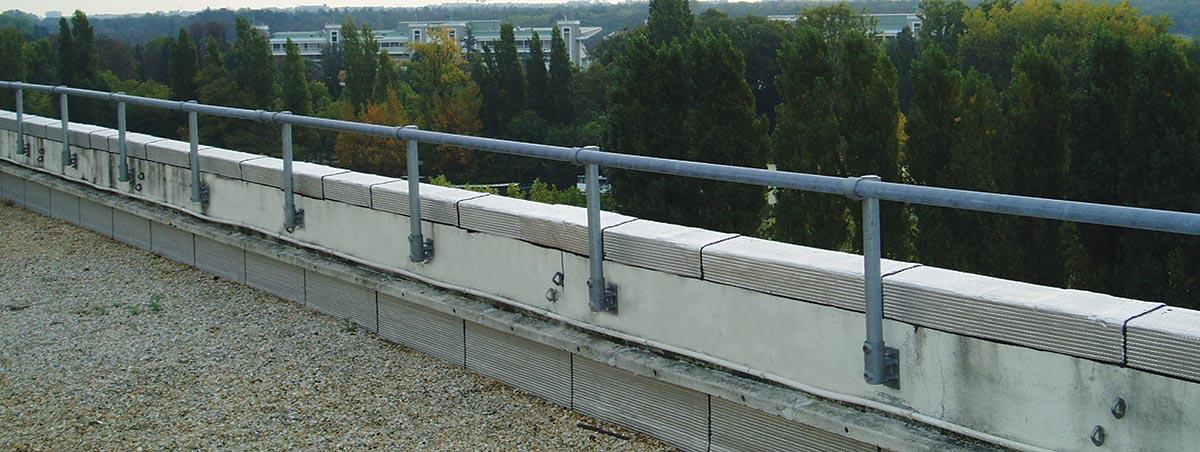
Parapets are exposed to environmental factors such as weather fluctuations, UV radiation, wind, and seismic activity, which can lead to deterioration, damage, and safety hazards. Regular inspections ensure the structural integrity and safety of parapets, minimizing risks and extending their lifespan.
Ensuring the safety and longevity of parapets involves a systematic approach consisting of regular inspections, risk assessments, maintenance, and thorough documentation. Inspection is the first step, where both visual and non-invasive testing methods identify potential issues like cracks, spalling, and material degradation.


Visual inspections involve a thorough examination of the parapet for cracks, spalling, loose materials, and signs of damage. These inspections help identify any deterioration or wear that could compromise safety. Additionally, non-destructive testing (NDT) techniques such as ultrasonic testing, thermography, and ground-penetrating radar are used to assess hidden issues without causing damage to the structure. Together, these methods ensure the structural integrity and safety of parapets, preventing potential hazards and extending their lifespan.
Documenting inspection findings ensures long-term compliance and accountability.
Risk Assessment follows to evaluate structural stability and address any potential hazards. Maintenance and Repairs are crucial for timely interventions to preserve the integrity of the parapet. Finally, documentation ensures that inspection findings, actions taken, and compliance with safety standards are recorded for future reference.
Risk Assessment follows to evaluate structural stability and address any potential hazards. Maintenance and Repairs are crucial for timely interventions to preserve the integrity of the parapet. Finally, documentation ensures that inspection findings, actions taken, and compliance with safety standards are recorded for future reference.
Inspections typically involve visual assessments and non-destructive testing (NDT) methods like ultrasonic testing, thermography, and ground-penetrating radar.
Neglecting inspections can lead to structural issues such as cracks, water infiltration, or even collapse, posing safety hazards and costly repairs.
Safety concerns identified during inspections are addressed through maintenance, retrofits, or repairs to ensure the stability and safety of the structure.
Yes, NDT methods help detect hidden issues without damaging the structure, providing a comprehensive assessment of the parapet’s condition.
Property owners, building managers, and facility managers are typically responsible for conducting regular parapet inspections and maintaining safety standards.
Measures include regular inspections, timely repairs, retrofitting with modern materials, and ensuring compliance with safety standards and building codes.
we specialize in delivering innovative and reliable engineering solutions tailored to meet your unique requirements.
we specialize in delivering innovative and reliable engineering solutions tailored to meet your unique requirements.
